Maintaining a lush, green oasis in the heart of the Red City is a rewarding but challenging endeavor for any property owner. With soaring summer temperatures and a semi-arid climate, the biggest hurdle is often water management. Mulching in Marrakech has emerged as a fundamental technique for preserving soil moisture and ensuring plant health. By applying a protective layer over the soil, you can drastically reduce evaporation and protect your roots from the intense Moroccan sun.
The Unique Climate of Marrakech and Its Impact on Soil
Marrakech is famous for its beautiful gardens, from the historic Majorelle to the private estates in the Palmeraie. However, the local environment presents significant challenges for traditional gardening. The combination of high solar radiation and low humidity creates a high rate of evapotranspiration. This means that water applied to the garden often disappears into the atmosphere before the plants can even absorb it. Furthermore, the soil in areas like Targa or the Route de l’Ourika can vary from heavy clay to sandy substrates, both of which struggle with moisture retention under extreme heat.
Extreme Heat and Evapotranspiration
During the peak summer months, temperatures in Marrakech frequently exceed 40°C. In these conditions, bare soil acts like a sponge in reverse, losing its water content rapidly. This process, known as evapotranspiration, stresses the plants and can lead to permanent wilting. Mulching in Marrakech serves as a thermal blanket, keeping the soil significantly cooler than the ambient air temperature. Consequently, your irrigation system becomes much more efficient, as the water stays where it is needed most: in the root zone.
The Drying Effect of the Chergui Wind
Another local factor that many expatriates and new residents overlook is the Chergui. This hot, dry wind blowing from the Sahara can desiccate a garden in a matter of hours. Without a protective layer, the wind strips moisture directly from the soil surface. By implementing a robust mulching strategy, you create a physical barrier that prevents the wind from reaching the earth. In addition, a well-mulched garden helps maintain a consistent microclimate around your plants, which is essential for delicate species like jasmine or citrus trees.
How Mulching Transforms Your Marrakech Garden
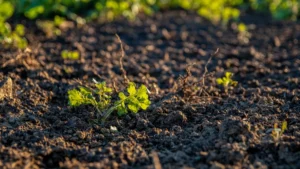
Beyond simple water conservation, mulching offers a variety of biological and structural benefits. It is not merely a decorative choice for a villa in the Hivernage or a riad in the Médina; it is a vital component of sustainable landscaping. When you apply mulch, you are essentially mimicking the natural forest floor, where fallen leaves and organic matter create a nutrient-rich, moist environment for growth. This practice is particularly effective in Marrakech, where the soil often lacks organic matter due to rapid decomposition and heat.
Choosing the Right Mulch: Organic vs. Mineral
When considering mulching in Marrakech, you must first decide between organic and mineral materials. Each has its place depending on the aesthetic of your garden and the specific needs of your plants. Organic mulches, such as wood chips, straw, or compost, break down over time and enrich the soil. On the other hand, mineral mulches like gravel, river stones, or crushed terracotta are permanent and offer a clean, modern look often seen in contemporary Guéliz designs. Both types are excellent at suppressing weeds, which compete with your plants for precious water.
Organic Mulch: Bark, Straw, and Compost
Organic mulch is highly recommended for flower beds, vegetable patches, and fruit orchards. In Marrakech, using pine bark or local wood shavings can add a beautiful texture to your landscape. As these materials decompose, they improve the soil structure, making it more porous and better at holding water in the long term. Moreover, organic mulch encourages the presence of beneficial soil organisms. These organisms are crucial for nutrient cycling, ensuring your palms and bougainvilleas stay vibrant throughout the year.
Mineral Mulch: Gravel and River Stones
For those looking for a low-maintenance solution, mineral mulching is an ideal choice. It is particularly popular in “dry gardens” or xeriscaping projects across Amelkis and Agdal. Stones do not blow away in the wind and do not need to be replenished as often as organic options. Furthermore, they provide a striking contrast against the green foliage of succulents and cacti. While stones can absorb heat during the day, they are still far more effective at preventing evaporation than leaving the soil bare and exposed.
Proper Application Techniques for Maximum Efficiency
To reap the full benefits of mulching in Marrakech, the application must be done correctly. A layer that is too thin will not stop evaporation, while a layer that is too thick can prevent oxygen from reaching the roots. Generally, a thickness of 5 to 10 centimeters is ideal for most Marrakech gardens. It is also important to leave a small gap around the base of tree trunks and shrubs. This prevents moisture from sitting against the bark, which could otherwise lead to fungal diseases or rot in the humid conditions created under the mulch.
The Best Times for Mulching in the Red City
Timing is everything when it comes to garden maintenance in a semi-arid climate. While you can mulch at any time, there are specific seasons where the impact will be most significant. Preparing your soil before the onset of the summer heat is the most strategic move a gardener can make. By locking in the moisture during the milder months, you give your plants a “water bank” to draw from when the thermometer starts to climb.
- Spring (March – April): This is the prime time for mulching. After the spring rains, the soil is naturally moist. Applying mulch now traps that moisture before the summer sun arrives.
- Autumn (October – November): After the long summer, the soil is often depleted. Adding a fresh layer of organic mulch now helps the soil recover and protects roots from the occasional winter frost found in areas like the Route de Fès.
- Winter (December – February): While less critical for moisture, mulching in winter helps suppress the growth of cool-season weeds that can steal nutrients from your dormant plants.
When to Hire a Professional Gardener in Marrakech?
While small-scale mulching can be a weekend DIY project, larger estates and complex landscapes often require professional expertise. A professional gardener in Marrakech understands the subtle differences between the soil in Bab Atlas and the Route d’Ouarzazate. They can calculate the exact volume of material needed and ensure that the irrigation system is properly integrated with the mulch layer. Furthermore, professionals have access to high-quality, pest-free mulching materials that are not always available in local retail markets.
If you manage a luxury villa or a commercial property, consistent maintenance is key to protecting your investment. An expert team can handle the heavy lifting of transporting tons of gravel or bark and applying it with precision. This ensures your garden remains a lush sanctuary even during the most intense heatwaves. For those seeking a perfect balance between aesthetics and sustainability, consulting with a local specialist is always the best path forward.
Frequently Asked Questions About Mulching in Marrakech
Does mulch attract pests like scorpions or termites?
This is a common concern in Morocco. While organic mulch provides a cool environment, choosing the right material is essential. Cedar bark or high-quality treated wood chips are less attractive to termites. Additionally, keeping the mulch a few centimeters away from the foundation of your house and the trunks of your trees significantly reduces the risk of pests entering your living spaces.
How often should I replace my mulch?
Organic mulch typically needs to be topped up every 12 to 18 months as it decomposes into the soil. Mineral mulch, such as gravel or stones, is much more permanent and may only need a light cleaning or occasional leveling. If you notice the soil becoming visible through the layer, it is time to add more to maintain its moisture-retaining properties.
Can I mulch a garden that has a drip irrigation system?
Absolutely. In fact, mulching in Marrakech works best when combined with drip irrigation. You should place your irrigation lines directly on the soil and cover them with the mulch. This protects the pipes from UV damage and ensures that every drop of water goes directly into the ground without evaporating, making your garden incredibly water-efficient.
Which mulch is best for palm trees and olive trees?
For iconic Marrakech species like olive and palm trees, organic mulch is generally preferred. It mimics the natural leaf litter they would have in a more wild environment. However, many owners in the Palmeraie use a mix: organic mulch near the base for health, and a decorative layer of gravel on top for a clean, Mediterranean look that fits the local architecture.
Conclusion: A Sustainable Future for Your Garden
In conclusion, the importance of mulching in Marrakech cannot be overstated. It is the most effective, natural, and cost-efficient way to combat the local heat and preserve the beauty of your outdoor spaces. By choosing the right materials and applying them correctly, you ensure that your garden remains a thriving, cool retreat throughout the year. Whether you prefer the rustic charm of wood chips or the sleek look of river stones, your plants will thank you for the protection.
For a garden that stays vibrant and healthy in every season, our team is ready to assist you with professional mulching and landscaping services tailored to the Marrakech climate. We provide expert advice and high-quality materials to transform your outdoor space into a sustainable oasis.
Contact us today for a consultation:
📞 WhatsApp: 0643071851
🌐 Learn more: [URL_DU_SITE]
Get a free quote and enjoy a fast, professional intervention across the entire Marrakech region, from the Médina to the furthest villas of the Route de l’Ourika.