Marrakech is often described as an oasis city, a place where lush greenery meets the edge of the desert. However, as the urban landscape expands, creating a sanctuary for local wildlife becomes increasingly important. Transforming your villa or riad garden into a thriving ecosystem does not just benefit nature; it also enhances your living environment with song, color, and vitality. To attract birds and biodiversity to your garden in Marrakech, one must understand the delicate balance between the local climate and the needs of indigenous species. By following a few ecological principles, you can turn your outdoor space into a vibrant refuge for various species.
In this comprehensive guide, we will explore practical steps to invite nature back into your home. Whether you live in the leafy avenues of the Hivernage or the expansive estates of the Palmeraie, these strategies are tailored to the specific conditions of the Red City. Furthermore, we will discuss how to manage resources like water efficiently while maximizing the ecological value of your landscape. Consequently, your garden will become more than just a decorative space; it will become a living, breathing part of the Moroccan ecosystem.
The Unique Ecosystem of Marrakech Gardens
Before implementing changes, it is essential to recognize the environmental context of the region. Marrakech is characterized by a semi-arid climate with intense summer heat and significant temperature fluctuations. During the peak of summer, temperatures often exceed 40°C, while the Chergui (a hot, dry wind from the Sahara) can quickly dehydrate plants and animals alike. Therefore, any strategy to increase biodiversity must prioritize resilience and resource management. Understanding these factors allows you to choose the right elements for your specific location, whether it is a shaded patio in the Médina or a large garden on the Route de l’Ourika.
Understanding the Semi-Arid Climate
The primary challenge for biodiversity in Marrakech is the lack of consistent water and the intensity of the sun. Most local birds and insects have adapted to these conditions, but they still require reliable sources of hydration and shade to survive the hottest hours. In addition, the soil in many parts of Marrakech, such as Targa or Amelkis, can be clay-heavy or sandy, which affects how water is retained. By acknowledging these constraints, you can design a garden that works with nature rather than against it. This approach ensures that your efforts to attract wildlife are sustainable in the long term.
The Role of Gardens in Urban Biodiversity
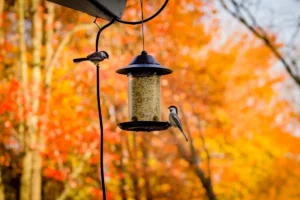
Private gardens in Marrakech act as vital “green corridors” for migratory and resident birds. Species such as the Common Bulbul, the House Bunting, and various warblers rely on these pockets of vegetation for food and nesting. Moreover, gardens provide a home for essential pollinators like bees, butterflies, and hoverflies. When you consciously choose to attract birds and biodiversity to your garden in Marrakech, you are contributing to a larger network of urban nature. This connectivity is crucial for maintaining healthy populations of local fauna amidst the growing infrastructure of the city.
Essential Strategies to Attract Local Birds
Birds are often the most visible and vocal indicators of a healthy garden. To encourage them to stay, you must provide the three pillars of survival: water, food, and shelter. In a city where natural water sources are scarce, your garden can become a life-saving destination. Furthermore, the variety of bird species in Morocco is remarkably high, ranging from colorful bee-eaters to majestic hoopoes. By creating the right conditions, you can enjoy the presence of these beautiful creatures throughout the year.
Water Features: Creating a Vital Oasis
Water is the most effective way to attract birds quickly. A simple birdbath or a traditional Moroccan fountain can serve as a focal point for local wildlife. However, it is important to ensure the water is shallow enough for birds to bathe safely. Furthermore, you should place these water features in a spot that offers a clear view of the surroundings, allowing birds to spot potential predators. In areas like Bab Atlas or the Agdal, where the air is particularly dry, a clean water source is an irresistible magnet for everything from sparrows to turtle doves.
Selecting Native Plants and Fruit Trees
The food source in your garden should ideally come from the plants themselves. Native species are far more beneficial than exotic ones because they have evolved alongside local wildlife. For instance, planting olive trees, citrus trees (lemon and orange), and pomegranates provides both fruit for birds and nectar for insects. In addition, shrubs like Hibiscus, Bougainvillea, and Lantana offer abundant flowers that attract hummingbirds and sunbirds. By diversifying your planting palette, you ensure a steady supply of food across different seasons, reducing the need for artificial feeders.
Providing Safe Nesting Sites and Shelter
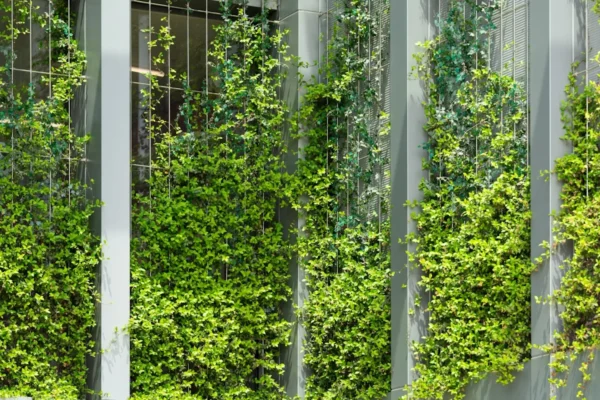
Birds need protection from the sun and a safe place to raise their young. Dense hedges and tall trees are perfect for this purpose. In Marrakech, the Washingtonia palm and the Phoenix canariensis are iconic, providing excellent nesting spots for larger birds. For smaller species, thick climbers like Jasmine or Honeysuckle draped over a pergola offer the necessary privacy. Moreover, leaving some areas of the garden slightly “wild” or less manicured can provide the nesting materials birds need, such as twigs, dried grass, and moss. This naturalistic approach encourages long-term residency rather than occasional visits.
Promoting Insect Life and Soil Health
A garden without insects is a garden without birds. Insects form the base of the food chain and are responsible for pollinating the very plants we admire. To truly attract birds and biodiversity to your garden in Marrakech, you must foster a healthy population of “good bugs.” This requires a shift in how we perceive garden maintenance. Instead of aiming for a sterile, perfectly manicured lawn, aim for a living landscape that hums with activity. This transition not only helps nature but also reduces the maintenance burden on the gardener.
Eliminating Chemical Pesticides
The use of harsh chemical pesticides is the quickest way to destroy biodiversity. These toxins kill the insects that birds rely on for food and can even harm the birds themselves. Instead, embrace integrated pest management. For example, ladybugs and lacewings are natural predators of aphids, which often plague roses in Marrakech gardens. By avoiding chemicals, you allow these natural checks and balances to restore themselves. Furthermore, organic gardening practices improve the overall health of your plants, making them more resilient to the heat and the Chergui wind.
Creating Bug Hotels and Leaf Litter Zones
Insects need places to hide and breed. A “bug hotel” made of hollow canes, old wood, and stones is a fantastic addition to any garden in Guéliz or the Route de Fès. Additionally, consider leaving a small area of the garden where fallen leaves and organic matter can decompose naturally. This leaf litter creates a rich habitat for ground-dwelling insects and improves soil quality through natural composting. As the soil becomes healthier, it retains moisture more effectively, which is a significant advantage in the dry climate of Marrakech. Consequently, your garden becomes more self-sustaining and ecologically diverse.
Seasonal Biodiversity Calendar for Marrakech
Managing a garden for wildlife requires different actions depending on the time of year. Marrakech experiences distinct seasons that dictate the behavior of both plants and animals. By following a seasonal schedule, you can provide the right support at the right time. This proactive approach ensures that your garden remains a sanctuary even during the most challenging months of the year.
- Spring (March – May): This is the peak nesting season. Avoid heavy pruning to protect nests. Ensure water sources are filled daily as temperatures rise. Plant new flowering shrubs to provide nectar for emerging pollinators.
- Summer (June – August): The most critical time for water. Clean birdbaths every two days to prevent disease. Provide extra shade by using organic mulching (like straw or wood chips) to keep the soil cool and moist for ground insects.
- Autumn (September – November): Many migratory birds pass through Morocco. Leave seed heads on flowers to provide high-energy snacks for travelers. This is also the best time to plant new trees and shrubs so they can establish roots before winter.
- Winter (December – February): Although mild, nights can be cold. Ensure there is plenty of evergreen cover for birds to roost in. Prune deciduous trees carefully, checking for any overwintering insect cocoons.
Why Consult a Professional Gardener in Marrakech?
Creating a balanced ecosystem in a semi-arid environment can be complex. While many changes can be made by the homeowner, consulting a professional can ensure that your efforts are both effective and sustainable. A specialist in gardening in Marrakech understands the nuances of local soil, the best irrigation techniques, and which plant varieties are truly resistant to the local heat. Furthermore, they can help design a landscape that balances aesthetic beauty with ecological functionality, ensuring your garden thrives in the Palmeraie or the Route d’Ouarzazate.
Professional gardeners can also install advanced drip irrigation systems that save water while keeping your “biodiversity hubs” hydrated. They possess the tools and expertise to handle large-scale tasks like palm tree maintenance or the creation of complex water features. By partnering with an expert, you can avoid common mistakes, such as planting invasive species that might outcompete local flora. Ultimately, professional guidance helps you achieve a garden that is not only a haven for birds but also a low-maintenance, high-value asset for your property.
Frequently Asked Questions
Which bird species are most common in Marrakech gardens?
The most frequent visitors are the Common Bulbul, known for its cheerful song, and the House Bunting, which often nests near human dwellings. You might also see the Eurasian Collared Dove, Hoopoes with their distinctive crests, and various types of Swifts and Swallows during the warmer months. Providing water and native fruits is the best way to see them regularly.
How can I save water while supporting biodiversity?
The key is to use drip irrigation and mulching. Drip systems deliver water directly to the roots, minimizing evaporation. Mulching with organic matter keeps the soil damp for longer. Additionally, choosing drought-resistant native plants significantly reduces the amount of water needed to maintain a lush, bird-friendly environment in areas like Targa or the Ourika road.
Are “bug hotels” really effective in the Marrakech heat?
Yes, provided they are placed in a shaded, cool area of the garden. In Marrakech, insects seek refuge from the intense midday sun. A bug hotel placed under the canopy of an olive tree or behind a North-facing wall provides a vital microclimate. This encourages solitary bees and other beneficial insects to stay in your garden and help with pollination.
What is the best way to get a quote for a biodiversity-friendly garden?
To transform your space into a wildlife sanctuary, it is best to request a personalized assessment. You can contact a local expert at 0643071851 to discuss your project. They will evaluate your soil, sun exposure, and current plant life to provide a tailored plan that fits your vision and the unique climate of Marrakech.
Conclusion
To attract birds and biodiversity to your garden in Marrakech is to embrace the natural heritage of this beautiful region. By providing water, choosing native plants, and avoiding harmful chemicals, you create a space that supports life in all its forms. Whether you are tending a small patio in the Médina or a vast estate in the Palmeraie, every ecological choice makes a difference. Moreover, a garden filled with birdsong and fluttering butterflies offers a unique sense of peace and connection to nature that is hard to find elsewhere.
For a garden that remains beautiful and ecologically vibrant throughout the year in Marrakech, our team is ready to assist you. From expert planting advice to the installation of efficient irrigation systems, we help you create a sustainable paradise.
📞 WhatsApp: 0643071851
🌐 Learn more: https://jardinier-marrakech.com/
Free quotes and rapid intervention across the entire Marrakech region.