Transforming a neglected outdoor area into a lush sanctuary is a dream for many homeowners in the Ochre City. Indeed, a successful garden renovation in Marrakech requires more than just planting a few flowers; it demands a deep understanding of the local ecosystem. Whether you own a villa in the Palmeraie or a boutique riad in the Medina, revitalizing your green space is a journey toward serenity. In this guide, we will explore how to turn a dusty, overgrown plot into a vibrant oasis of peace adapted to the Moroccan sun.
Marrakech offers a unique canvas for landscaping, yet it presents significant challenges that can discourage the unprepared gardener. The intense heat, the specific soil composition, and the scarcity of water are all factors that dictate the success of your project. However, with the right strategy and local expertise, your garden can become a private paradise. Consequently, this article provides the essential steps and professional insights needed to navigate the complexities of renovating a garden in this beautiful semi-arid region.
Understanding the Marrakech Climate and Its Impact on Renovation
Before touching a single shovel, you must acknowledge the environmental reality of the region. Marrakech is characterized by a semi-arid climate with extreme thermal amplitudes. In the summer, temperatures frequently soar above 40°C, while winter nights can occasionally bring light frost. Furthermore, the Chergui, a hot and dry wind coming from the Sahara, can dehydrate plants within hours. Therefore, your renovation strategy must prioritize resilience and climate adaptation above purely aesthetic choices.
The Soil Challenge: From Clay to Sand
The soil in Marrakech varies significantly depending on your location. For instance, gardens in the Palmeraie or near the Route de l’Ourika often deal with heavy, red clay soil. This type of earth retains nutrients well but can become compacted and poorly drained, suffocating plant roots. Conversely, areas like Targa or Guéliz may feature more sandy or rocky substrates that drain too quickly, leading to nutrient leaching. Understanding your specific soil profile is the first step in a successful garden renovation in Marrakech.
Water Scarcity and Solar Exposure
In Morocco, water is a precious resource that must be managed with extreme care. A neglected garden often suffers from a broken or inefficient irrigation system. During your renovation, assessing the solar exposure of different zones is crucial. Some areas might receive punishing direct sunlight for twelve hours, while others, shaded by high walls in a Medina riad, might remain cool and damp. Mapping these microclimates allows you to place each plant where it has the best chance to thrive without wasting water.
The Essential Steps for a Successful Garden Renovation in Marrakech
Revitalizing a forgotten space is a multi-phase process that requires patience and a methodical approach. It is not merely about adding new elements; it is about restoring the health of the ecosystem. By following a structured plan, you ensure that your investment results in a sustainable and low-maintenance haven. Let us break down the core phases of a professional-grade renovation.
Phase 1: Clearing and Structural Assessment
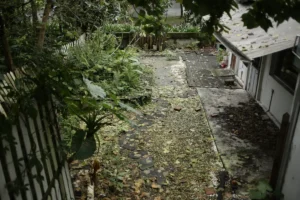
The first step involves removing dead wood, invasive weeds, and debris that have accumulated over time. This “blank slate” approach allows you to see the true potential of the site. During this phase, you should inspect the “bones” of the garden. Are there old olive trees or palms that can be saved? Often, a mature tree is the most valuable asset in a renovation. Pruning these specimens properly can immediately change the atmosphere of the space, providing much-needed shade for the next steps.
Phase 2: Soil Restoration and Fertilization
A neglected garden usually has exhausted soil. To bring life back to your land, you must incorporate organic matter. Using high-quality compost or well-rotted manure is essential for improving soil structure. In Marrakech, adding a layer of mulch is also a vital technique. Mulching helps retain moisture, suppresses weeds, and protects the soil from the baking sun. By enriching the earth now, you create a fertile foundation that will support the rapid growth of your new plants in the coming seasons.
Phase 3: Installing Modern Irrigation Systems
Old-fashioned hose watering is neither efficient nor sustainable for a modern garden renovation in Marrakech. Instead, you should implement a smart drip irrigation system. These systems deliver water directly to the root zone, minimizing evaporation. It is highly recommended to install a programmable timer, allowing for watering during the coolest parts of the night. This ensures that your plants are hydrated before the morning heat arrives, significantly reducing water stress and utility costs.
Phase 4: Selecting Resilient and Local Plants
Choosing the right species is where your oasis truly begins to take shape. For a successful renovation, focus on Mediterranean and succulent plants that naturally tolerate heat. Bougainvillea, Hibiscus, and Lantana provide vibrant colors with minimal water requirements. For structural height, Washingtonia palms or Phoenix dactylifera are iconic choices. Don’t forget aromatic plants like rosemary, lavender, and Moroccan mint, which add a sensory dimension to your oasis of peace.
Marrakech Garden Maintenance Calendar: A Seasonal Guide
A renovated garden requires consistent care to maintain its beauty. The timing of your interventions is dictated by the unique seasons of the Al Haouz region. By following a seasonal schedule, you can prevent problems before they arise and ensure your plants remain healthy throughout the year. Here is a breakdown of the essential tasks for each period.
Spring (March to May)
This is the primary growth season. It is the ideal time for planting new specimens and applying organic fertilizer. You should also check your irrigation system for leaks before the summer heat begins. Pruning of winter-flowering shrubs should be completed now to encourage new growth.
Summer (June to August)
The focus shifts entirely to survival and hydration. Increase the frequency of watering but keep the duration controlled. Avoid heavy pruning or planting during these months, as the stress is too high for most species. Monitor for pests like spider mites, which thrive in dry, hot conditions.
Autumn (September to November)
As temperatures drop, this is the best time for a secondary garden renovation in Marrakech. It is the perfect window for planting trees and shrubs, as the soil is still warm but the air is cooler, allowing roots to establish before winter. You can also begin to reduce watering frequency gradually.
Winter (December to February)
This is the season for major structural pruning and “hard” landscaping work. While the garden is dormant, you can reshape large trees and vines. It is also the time to protect more sensitive tropical plants from the occasional night frost that can occur in areas like Bab Atlas or Route de Fès.
When to Call a Professional Gardener in Marrakech?
While many enthusiasts enjoy the process of gardening, a full-scale renovation often requires professional intervention. Transforming a large villa garden in Hivernage or a complex riad patio involves technical skills that go beyond basic planting. A professional team brings expertise in hydraulic engineering, soil science, and botanical design specific to the Moroccan climate. Furthermore, they have access to high-quality nurseries and specialized equipment for tree surgery and large-scale earthmoving.
If you are dealing with mature palms that require expert climbing and pruning, or if you wish to install a complex lighting and irrigation network, hiring an expert is a wise investment. A professional garden renovation in Marrakech ensures that the work is done correctly the first time, saving you money on replacement plants and repairs in the long run. Whether you are in Amelkis or Agdal, local experts can help you achieve a high-end finish that adds significant value to your property.
Frequently Asked Questions About Garden Renovation in Marrakech
How long does a typical garden renovation take?
The duration depends on the size of the plot and the complexity of the design. A small riad patio might be transformed in two weeks, whereas a large villa garden in the Palmeraie can take several months. This timeline includes clearing, infrastructure work, and the final planting phase. Generally, it is best to plan for a gradual transition to allow the new ecosystem to stabilize.
Which plants are best for a low-water garden in Marrakech?
For a water-wise oasis, focus on succulents like Agave and Aloe Vera, as well as drought-tolerant trees like the Olive and Pomegranate. Jasminum sambac and Bougainvillea are also excellent for adding fragrance and color without excessive irrigation. These species have evolved to thrive in semi-arid conditions, making them perfect for a sustainable renovation.
Can I have a green lawn in Marrakech?
While possible, maintaining a traditional grass lawn in Marrakech is water-intensive and challenging. If you desire a green space, consider Bermuda grass (Cynodon dactylon) or Paspalum, which are more heat-tolerant. However, many modern renovations now use “mineral gardens” or ground-cover plants like Dymondia to achieve a green look with 70% less water usage.
How much does it cost to renovate a garden?
Costs vary widely based on the state of the existing garden and your choice of materials. Essential factors include the size of the area, the number of mature trees to be planted, and the sophistication of the irrigation system. For a precise estimate tailored to your project, it is best to contact a specialist who can conduct an on-site evaluation and provide a detailed quote.
Conclusion: Your Path to a Serene Outdoor Sanctuary
Renovating a neglected garden is a rewarding endeavor that breathes new life into your home. By respecting the local climate and choosing the right techniques, you can transform any space into a peaceful retreat. Remember that a successful garden renovation in Marrakech is a balance of art and science, requiring both a creative vision and technical precision. With the right care, your garden will not only survive the Moroccan sun but will thrive, becoming a lush haven for years to come.
If you are ready to start your project, our team of experts is here to guide you through every step of the process, from design to maintenance.
Contact us today for a personalized consultation:
📞 WhatsApp: 0643071851
🌐 Learn more about our services: https://jardinier-marrakech.com/
We offer free quotes and rapid intervention across all neighborhoods of Marrakech, ensuring your dream garden becomes a reality.